The Soul of the League: Mechanics and Metamorphosis in Path of Exile
What truly defines a POE 1 Boosting league is not merely its new items or challenges, but the transformative gameplay mechanic it introduces. These **league mechanics** are the game's primary engine of innovation, injected into the core experience every three months to reshape how players interact with Wraeclast. From the tower-defense of Blight to the high-stakes heists of, well, Heist, these systems are elaborate, risk-reward puzzles that become the focal point of gameplay, economy, and build-crafting for their duration, often leaving a permanent mark on the game itself.
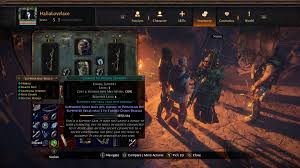 A successful **league mechanic** is accessible, deep, and rewarding. It must be engaging from the first beach encounter, yet offer layers of complexity for dedicated players to master. Take Betrayal (the Immortal Syndicate), for example. Initially, you simply defeat marked enemies. Soon, you learn to manipulate a board of rival criminals, interrogating or allying with them to unlock safehouses, each with different reward types. Mastering it requires understanding relationships, positioning leaders, and strategically farming for specific rewards like "It That Fled" for gem experience or "Leo" for valuable crafting slams. This depth ensures the mechanic remains compelling for thousands of encounters.
These mechanics also serve as powerful new avenues for character progression and wealth generation. The **Metamorph** league allowed players to assemble their own bosses from collected monster parts, directly choosing the risk (deadly modifiers) and reward (specific catalyst types). The Harvest league introduced an entirely new, deterministic crafting system via the Sacred Grove, temporarily upending the game's economy. Each league's mechanic comes with its own exclusive currency, unique items, and reward structure, creating fresh economic niches and farming strategies. For three months, the market revolves around these new commodities.
The best **league mechanics** successfully tell a micro-story and introduce memorable characters. The tragic tale of Sister Cassia and the Blight, the criminal escapades of Adiyah and her crew in Heist, or the enigmatic presence of the Maven observing your fights—these narratives add flavor and context to the grind. When a league ends, its mechanic is often refined and added to the core game in a diluted form, while its most iconic characters (like Jun or Niko) become permanent **master** NPCs in your hideout. This process ensures Wraeclast itself grows ever more complex and layered, a patchwork of past adventures.
These mechanics are the lifeblood that prevents staleness. They force players to adapt, to solve new problems, and to engage with the game in novel ways. They are bold experiments, some of which become beloved staples, while others are retired. This willingness to regularly reinvent its own core loop is what keeps *Path of Exile* perpetually fresh, ensuring that the path through Wraeclast is never the same journey twice.
A successful **league mechanic** is accessible, deep, and rewarding. It must be engaging from the first beach encounter, yet offer layers of complexity for dedicated players to master. Take Betrayal (the Immortal Syndicate), for example. Initially, you simply defeat marked enemies. Soon, you learn to manipulate a board of rival criminals, interrogating or allying with them to unlock safehouses, each with different reward types. Mastering it requires understanding relationships, positioning leaders, and strategically farming for specific rewards like "It That Fled" for gem experience or "Leo" for valuable crafting slams. This depth ensures the mechanic remains compelling for thousands of encounters.These mechanics also serve as powerful new avenues for character progression and wealth generation. The **Metamorph** league allowed players to assemble their own bosses from collected monster parts, directly choosing the risk (deadly modifiers) and reward (specific catalyst types). The Harvest league introduced an entirely new, deterministic crafting system via the Sacred Grove, temporarily upending the game's economy. Each league's mechanic comes with its own exclusive currency, unique items, and reward structure, creating fresh economic niches and farming strategies. For three months, the market revolves around these new commodities.
The best **league mechanics** successfully tell a micro-story and introduce memorable characters. The tragic tale of Sister Cassia and the Blight, the criminal escapades of Adiyah and her crew in Heist, or the enigmatic presence of the Maven observing your fights—these narratives add flavor and context to the grind. When a league ends, its mechanic is often refined and added to the core game in a diluted form, while its most iconic characters (like Jun or Niko) become permanent **master** NPCs in your hideout. This process ensures Wraeclast itself grows ever more complex and layered, a patchwork of past adventures.
These mechanics are the lifeblood that prevents staleness. They force players to adapt, to solve new problems, and to engage with the game in novel ways. They are bold experiments, some of which become beloved staples, while others are retired. This willingness to regularly reinvent its own core loop is what keeps *Path of Exile* perpetually fresh, ensuring that the path through Wraeclast is never the same journey twice.